
In a bold and decisive move, the UK Government has introduced legislation aiming to deport foreign nationals immediately after conviction…
When Does Education Become Indoctrination? The Line Crossed in UK Classrooms
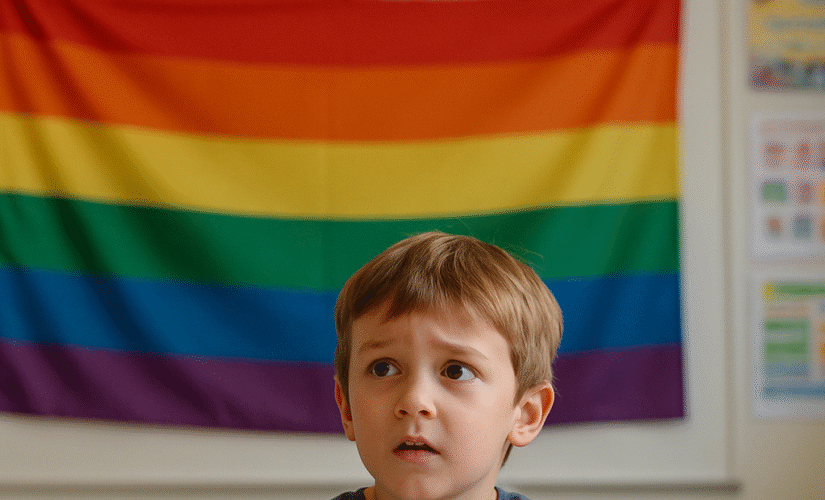
It used to be simple. School was for learning. For teaching young children the basics — reading, writing, arithmetic — and for helping them grow into responsible, informed adults. Somewhere along the line, we lost sight of that. Today, a five-year-old child is as likely to be taught about gender identity as they are about phonics. And this is not progress. It’s overreach.
The creeping insertion of adult conversations into the lives of children is being done under the guise of “diversity” and “inclusion.” But let’s call it what it is: an ideological campaign, playing out in classrooms where the audience is too young to understand, question, or even opt out.
Children aged five are in no position to comprehend the complexities of sexuality, gender theory, or political identities. Yet we now see reading comprehension exercises for primary schools themed around Pride Month. We hear of classrooms where the rainbow flag is treated with reverence, and where children are taught to recite the terminology of sexuality and gender diversity before they even know their times tables. What are we doing?
Let’s be clear: kindness, decency, and respect are values that should absolutely be taught. But there is no need to teach five-year-olds about being gay, lesbian, bisexual, or transgender. Not because those things are wrong — they’re not — but because they are private, personal matters that do not belong in the realm of public instruction aimed at small children.
Let Children Be Children: Why Sexuality Doesn’t Belong in the Classroom
Sexuality is not a curriculum topic. It’s not a subject like history or geography. It’s a private part of someone’s life. It is not something that needs to be dissected, explained, or “made aware of” to children who are still figuring out who they are — or even how to tie their shoelaces.
For decades, people fought for the right to live free from judgment. Now, we are told that freedom isn’t enough — children must be educated in these matters before they even understand basic biology. It’s an ironic twist: in trying to prevent prejudice, we are forcing awareness at an age where there was no prejudice to begin with.
Ask most parents, and you’ll find the same concern. They want their children to be safe and respectful, but they do not want them prematurely exposed to topics that are complex, adult, and frankly, irrelevant to their stage of development. We do not teach five-year-olds about relationships, attraction, or personal sexual preferences — so why make sexuality the exception?
There’s also something deeply insidious about how this agenda has crept into schools. It’s rarely debated in the open. It’s slipped in through lesson plans and external organisations — often without parental knowledge or approval. Those who speak up — parents or teachers — are quickly branded bigots or relics of the past. That climate of silence is dangerous.
And what’s the result? Confusion. Anxiety. Children who are too young to understand themselves being told they need to understand others in very specific, politically approved ways. We are not raising free thinkers. We are raising programmed subjects, taught to parrot slogans instead of ask questions.
Even as a gay man myself, I find all this deeply unsettling. The push to insert sexuality into every corner of public life is not liberating. It is suffocating. It reduces a person to a label, and turns private identity into public spectacle. And worse, it risks pushing society backwards, not forwards. You don’t gain respect by forcing awareness. You gain it through quiet dignity, maturity, and allowing people to make their own decisions — at the right time.
Children don’t need to be “made aware” of sexual identities. They don’t need “visibility” campaigns or rainbow flags in every school corridor. What they need is the freedom to grow up naturally, without agendas being pressed into their impressionable minds. Let them learn about kindness. Let them play, explore, and learn the foundations of knowledge. Let conversations about sexuality, if they happen, happen at home — where they belong.
If we keep pushing this narrative into early education, we’ll eventually face a backlash not just from frustrated parents, but from the very children we claimed to be protecting. Already, public trust in education is being eroded. And for good reason.
It’s time to pull back. Stop confusing awareness with activism. Stop forcing adult matters onto children. And most importantly — let children be children.

You May Want To Read...


Comments (0)