
Public standards rarely collapse. They retreat. There is no announcement when it happens. No press release. No vote. One day,…
Decriminalising Abortion: Reckless, Rushed, and Rooted in Political Convenience
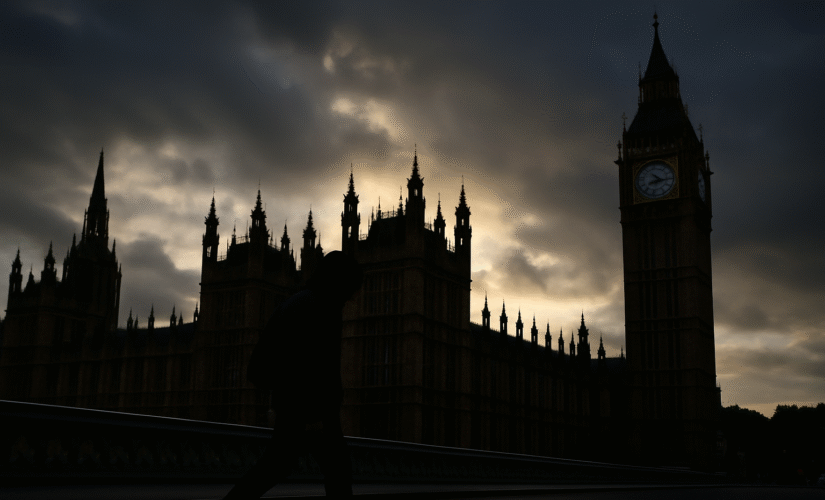
Yesterday, MPs voted in the Commons to remove criminal penalties for women who terminate pregnancies outside the legal framework—a seismic shift in abortion law that erases half a century of legal boundaries, care protocols, and societal standards theguardian.com.
On paper, it was hailed as a “landmark” moment—a triumph for women’s rights and medical autonomy. But below the rhetoric lies a brazen misstep: a blanket decriminalisation without fixing how, when, or why abortions take place.
Under current law, women who take abortion pills outside legal parameters—or even in genuine crisis—face prosecution under 19th-century statutes. That needed reform. Yet the vote didn’t come with a firm framework for oversight, protections for medical staff, age verifications, or measures to accurately track outcomes. All that happened was a symbolic gesture cloaked in moral righteousness—and loaded with consequences for safety, doctors, and vulnerable women.
The Labour MP who proposed the amendment said it was meant to shield “vulnerable women from criminal prosecution.” But what about setting standards? What about ensuring every abortion is carried out by qualified professionals, with follow-up and record-keeping? Those details were deliberately shelved.
And now, abortion pills can be obtained and taken at home without any formal medical consultation. That creates a “Wild West” scenario: online providers may sell across borders; victims of coercion could be given pills without true consent; teenage girls could self-medicate without adult supervision. The threshold for oversight has been deliberately lowered—and that decision isn’t evidence-based. It’s political.
Yes, there’s a case to be made about compassion. But compassion requires balance: support for women and safeguards for all involved. That’s not what this vote delivered. It delivered a law stripped of its practical teeth—an act of legal deletion, not reform.
Even more alarmingly, the amendment clears the way for late-term abortions to become harder to scrutinise. If someone self-administers pills beyond the gestational limit, how will it be detected? How will violations be reported? The bill doesn’t say. It simply assumes that decriminalisation will somehow solve everything.
The debate was swift. The chunk of MPs who objected were dismissed as dogmatic or out of touch. But objections were not rooted in moral panic—they were based on legitimate concerns about procedure, care, and unintended consequences. Those concerns were brushed aside in favour of progress being “done to women,” rather than “done with them.”
The time for careful reform has passed. What we have now is a blank slate, and that’s not a triumph—it’s a gamble. Next, expect growing calls to liberalise gestational stages, expand tele-prescribing by default, and remove the doctor’s oversight entirely. All framed as “progress,” but increasingly untethered from any concern for medical safety.
This isn’t liberation—it’s deregulation disguised as rights. And when things go wrong, nobody will know who’s accountable. Because in the rush to erase criminal penalties, we also erased responsibility.
Abortions aren’t pollution—they don’t accumulate or linger. They impact real women, real doctors, real ethics, and real social systems. Turning them into paperwork is not reform. It’s negligence.
Believing this vote was a compassionate landmark is a comforting story. But comfort doesn’t heal wounds. And neither does irresponsibility dressed up as liberation.
They’ve unlocked the law. But what they didn’t do was lock in safeguards. And that will cost us all.

You May Want To Read...


Comments (0)