
In a bold and decisive move, the UK Government has introduced legislation aiming to deport foreign nationals immediately after conviction…
The Fish‑and‑Chip Fallout: Farmers Flooded with Spuds Because Dinner Plates Are Empty
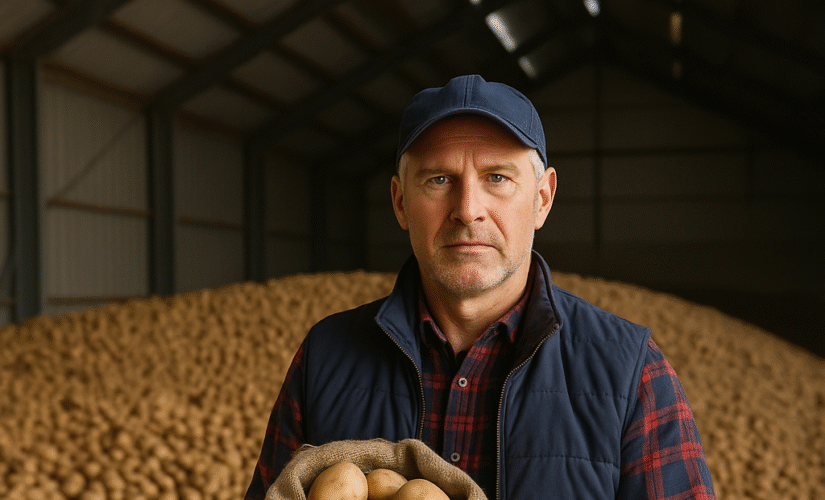
We’re all used to reading about rising food prices, but here’s a twist: farmers are now drowning in potatoes—just as British households are tightening belts at the chippy.
According to reports from Cambridgeshire alone, one farmer found himself staring down 13 tonnes of unsold potatoes at the end of June, with others facing hundreds—or even a thousand tonnes of leftover stock au.news.yahoo.comfreshplaza.com. That’s not a small surplus—that’s an agricultural crisis rooted in a single, fundamental shift: nobody’s buying fries.
Why? The price of fish-and-chip ingredients—potatoes, fish, oil—has climbed sharply. In fact, reports indicate that rising costs have crushed demand in takeaways, leaving supply chains clogged and farmers stuck .
These aren’t gourmet spuds sitting in someone’s store cupboard—they’re meal potatoes grown specifically for chippy use. They’re stored, washed, sorted, graded—and now, destined for animal feed or even anaerobic digestion—just to clear space for next season’s crop .
That storage isn’t cheap—£140 per tonne on average just for the basics. And that’s before you factor in planting, fertiliser, fuel, and labour. With farmers currently unable to shift the product, they’re left watching costs boil while margins vanish.
A crunch awaits: harvest season is coming, and storage facilities are already full. Without intervention, many farmers will simply have to leave potatoes in the field or sell them at a loss—or worse, let them rot .
What about the nation’s love of chips? That’s part of the problem. Even beloved staples are now subject to sensitivity-to-price. One anonymous fish-and-chip shop owner recently admitted that they’ve had to raise prices by £1 in just one week, while customers hesitate at tills youtube.com+2thefarmingforum.co.uk+2aol.com+2.
It’s not just a local blip. We’ve seen global echoes—in Belgium, farmers have dumped hundreds of thousands of tonnes into storage after hospitality-sector collapse businessinsider.com. Here, that international surplus threatens to flood UK markets cheaply, undercutting domestic growers even further . It’s a perfect storm.
So where do we go from here?
Farmers are already working with food banks, charities, and dairy farmers to repurpose spuds into cattle feed. A handful of them are heading into anaerobic digestion, turning waste into biofuel businessinsider.com. These are temporary fixes, not solutions.
What’s really needed is help from farming and food-support agencies to repurpose the crop, subsidise storage, and redirect produce into retail and public-sector nutrition programmes. It could include cooking potato-based meals in schools, hospitals, or prisons—quickly clearing hogging inventory while feeding communities.
Yes, fish and chip prices need to rise—but policies must shape demand without wrecking supply chains. Otherwise, we’ll be paying more at the chippy while farmers feed potatoes to cows.
Consumers can also play a part. You don’t need to eat fish and chips every week, but when you do, consider that you’re supporting British growers. It’s a small act, but it helps maintain the balance in the system.
Because right now, Britain’s potato farmers are bearing the brunt of our dining decisions—and they’re paying the price in tons of unsold crops and empty stomachs for their families.
It’s time we stop pretending this is just a quirky food story. This is mainstream economics meeting real-world hardship—and if we don’t act soon, the ripple effects will spread far beyond the fryer.

You May Want To Read...


Comments (0)